Myofascial Release:
The John F. Barnes Myofascial Release Technique is a manual technique for chronic pain relief which involves the gentle application of sustained pressure into the fascial restrictions.
What is Fascia?
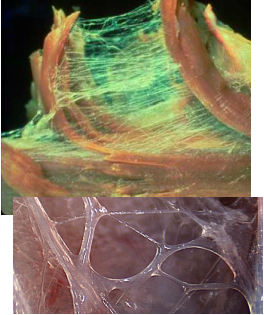
Fascia is a thin connective tissue that surrounds and supports every organ, muscle, bone, nerve fiber, and blood vessel in the body. It is a continuous layer. It is flexible and moves with the body. When the fascia tightens or for example one had surgery and scar tissue formed, the fascia can restrict the movement of the muscles and tissues, causing pain and other health issues.
Fascia is made up of three main layers:
1. Superficial fascia: This is the thinnest layer of fascia and is located just under the skin. It contains nerves, blood vessels, and lymphatic vessels.
2. Deep fascia: This layer of fascia is thicker and surrounds the muscles, bones, and organs. It helps to support these structures and keep them in place.
3. Visceral fascia: This layer of fascia surrounds the internal organs, such as the heart, lungs, and intestines. It helps to protect these organs and keep them in place.
|
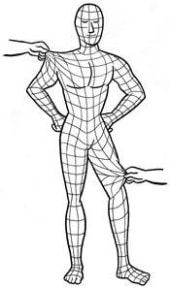
When fascia is restricted in one area of the body, it can also affect other areas of the body which are far away from the injury, scar tissue, etc. (see image). Myofascial release can help to bring the body back into balance and release pain patterns. |